Tired of rough heels, tired feet, and the hassle of booking salon appointments? Welcome to the wonderful world of pedicure spa kits – your personal passport to salon-smooth feet without ever leaving your couch. These ingenious bundles bring the luxury and care of a professional pedicure right into your living room, offering unparalleled convenience, comfort, and cost savings. Let’s explore why they’re a game-changer and how to use them.
The Ultimate Convenience: Spa Feet, Your Schedule
This is the heart of the pedicure spa kit’s appeal:
1. Anytime, Anywhere: No more coordinating schedules or travel. Feel the urge for pampering at 10 PM? Your kit is ready. Rainy Sunday afternoon? Perfect spa time.
2. Cost-Effective Luxury: While the initial kit cost varies, it quickly pays for itself compared to repeated salon visits. It’s an investment in long-term foot care.
3. Hygiene Control: Using your own tools eliminates any concerns about sanitation practices elsewhere. You know exactly how clean everything is.
4. Personalized Relaxation: Create your perfect ambiance – your favorite music, lighting, no small talk, just pure “you” time for as long as you want.
5. Regular Maintenance: Having the tools handy makes it easy to keep up with foot care between more intensive treatments, preventing problems from building up.
Your Step-by-Step Guide to Home Pedicure Bliss
Ready for your DIY spa experience? Here’s how to use your pedicure kit effectively:
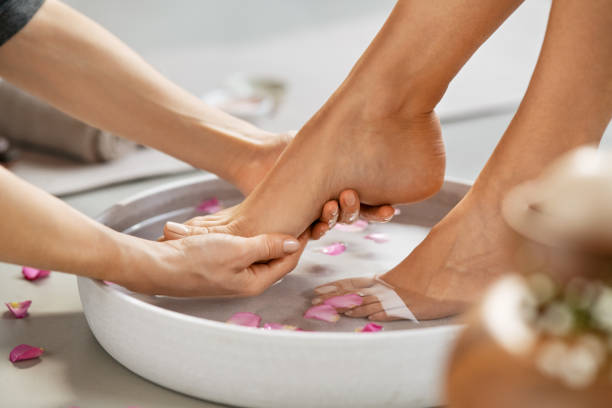
1. Prep Your Space & Feet: Fill your included basin (or a clean tub/bowl) with comfortably warm water. Add a few drops of gentle soap or foot soak if your kit provides it. Soak your feet for 10-15 minutes to soften skin and nails. Gather towels, lotion, and your kit.
2. Cleanse & Exfoliate: Remove feet from the water, dry them gently. Use the pumice stone or foot file gently on wet or damp skin, focusing on rough areas like heels and balls of the feet. Use light, circular motions – don’t scrub too hard! Rinse off any residue.
3. Nail Care: Dry feet thoroughly. Use the nail clippers to trim nails straight across, avoiding rounding the corners deeply to prevent ingrown nails. Smooth the edges with the nail file. Gently push back cuticles with the cuticle pusher – do not cut cuticles unless you are trained and have a proper tool; simply pushing them back is safer at home.
4. Massage & Moisturize: Apply a generous amount of foot cream or lotion. Take your time! Massage thoroughly, paying attention to arches, heels, and toes. This boosts circulation and locks in moisture. For extra luxury, put on cotton socks afterward to help the lotion absorb.
5. Polish (Optional): If painting nails, ensure they are completely clean and dry. Apply your favorite polish. A toe separator can be very helpful here!
Choosing Your Perfect Pedicure Spa Kit: What to Look For
Not all kits are created equal. Consider these factors to find your ideal match:
1. Core Components: Ensure it has the essentials:
- Nail File/Emery Board: Preferably a double-sided one (coarse/fine grit).
- Cuticle Pusher: A gentle, effective tool (often orangewood).
- Pumice Stone or Foot File: For callus removal. Look for comfortable handles.
- Basin/Foot Bath: Size and comfort matter. Is it big/deep enough?
- Foot Cream/Lotion: Check for quality and scent preference.
2. Quality Matters: Especially for metal tools. Cheap clippers can crush nails; flimsy files won’t last. Stainless steel is best for durability and hygiene.
3. Desired Extras: Kits range from basic to deluxe. Consider if you want:
- Toe Separators: Very helpful for polishing.
- Callus Remover: Use extreme caution and only on thick calluses if you’re confident. Often better to stick with pumice/files.
- Cuticle Nipper: Only recommended if you have experience; otherwise, stick to the pusher.
- Nail Brush, Scrub, Mask: Enhance the spa experience.
- Carrying Case: Essential for organization and portability.
4. Hygiene Features: Look for kits where tools can be easily cleaned and sanitized.
5. Comfort & Ergonomics: Does the basin have comfortable footrests? Are tool handles easy to grip?
Step into Comfort & Luxury
A pedicure spa kit is more than just a collection of tools; it’s an invitation to prioritize self-care conveniently and affordably. By understanding the steps and choosing a kit that suits your needs and budget, you unlock the ability to transform your home into a haven of foot pampering whenever the mood strikes. Ditch the salon hassles, embrace the comfort of home, and give your hardworking feet the soothing, rejuvenating experience they deserve. Your perfect pedicure paradise is just a kit away!